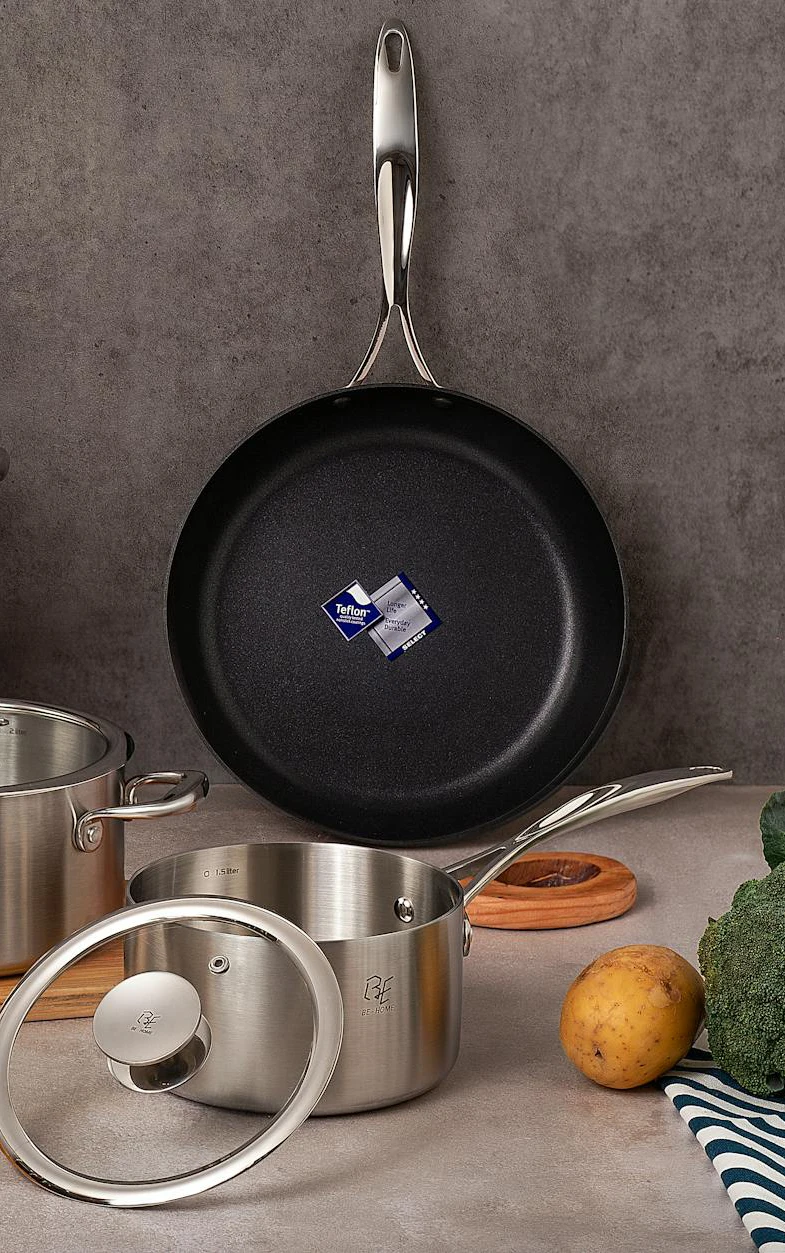
How to Choose a Frying Pan: Stainless Steel, Non-Stick, or Cast Iron?
Discover the perfect pan for your cooking style and transform your culinary experience
Why Choosing the Right Frying Pan Matters
Your choice of frying pan profoundly impacts everything from the texture of your seared steak to the delicate flip of a perfect omelette. Different pans suit different cooking styles and foods, making pan selection a crucial kitchen decision.
The right pan doesn’t just improve cooking results—it transforms your entire kitchen experience. When you match your cookware to your cooking needs, you’ll find yourself reaching for your favourite pan time and again, confident in its performance.
"Match pan to ingredient and technique"
— Ann Taylor Pittman, Cooking Expert
Understanding the strengths and limitations of each pan type empowers you to make informed choices that elevate your everyday cooking.
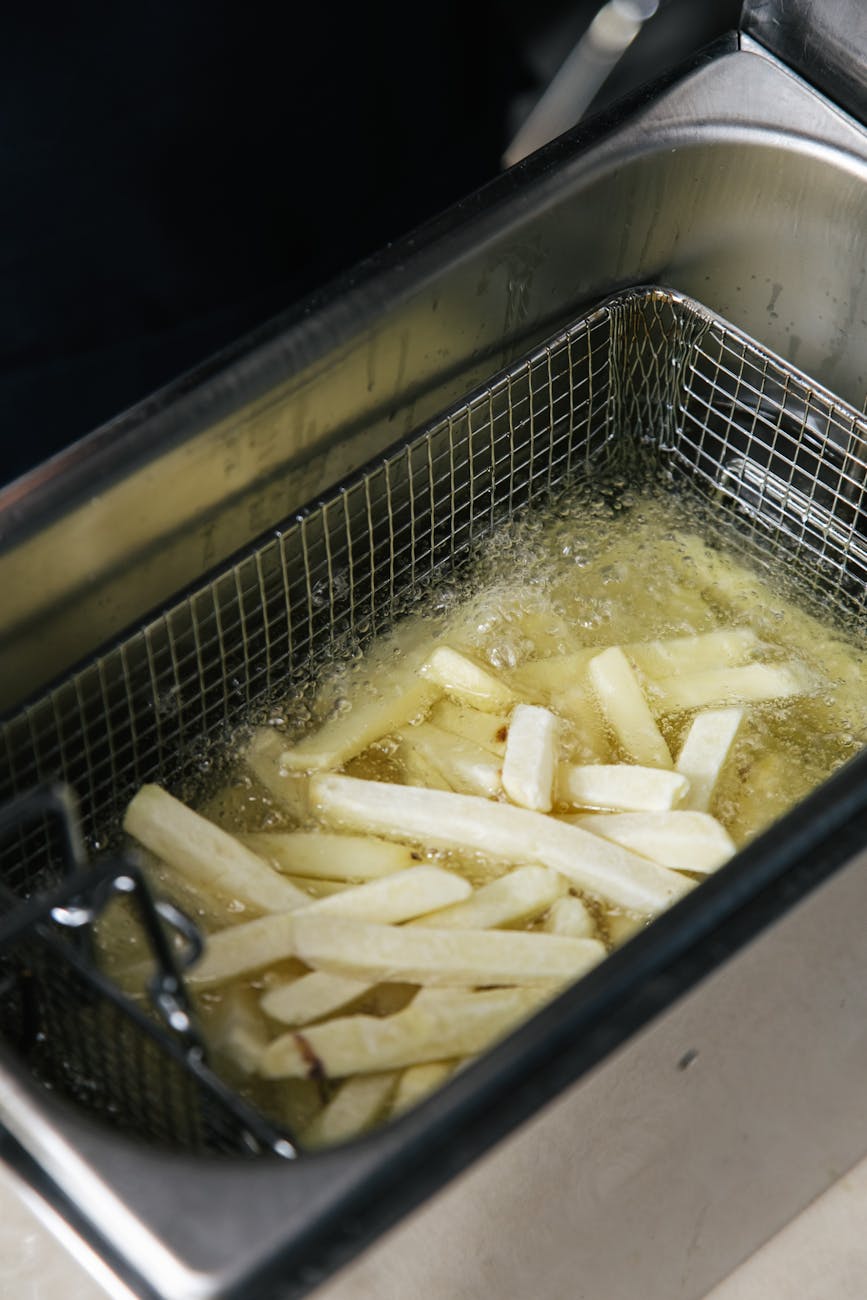
Superior Browning Power
Stainless steel excels at creating beautiful caramelisation and achieving restaurant-quality searing. The surface’s responsiveness to temperature changes gives you precise control over the cooking process.
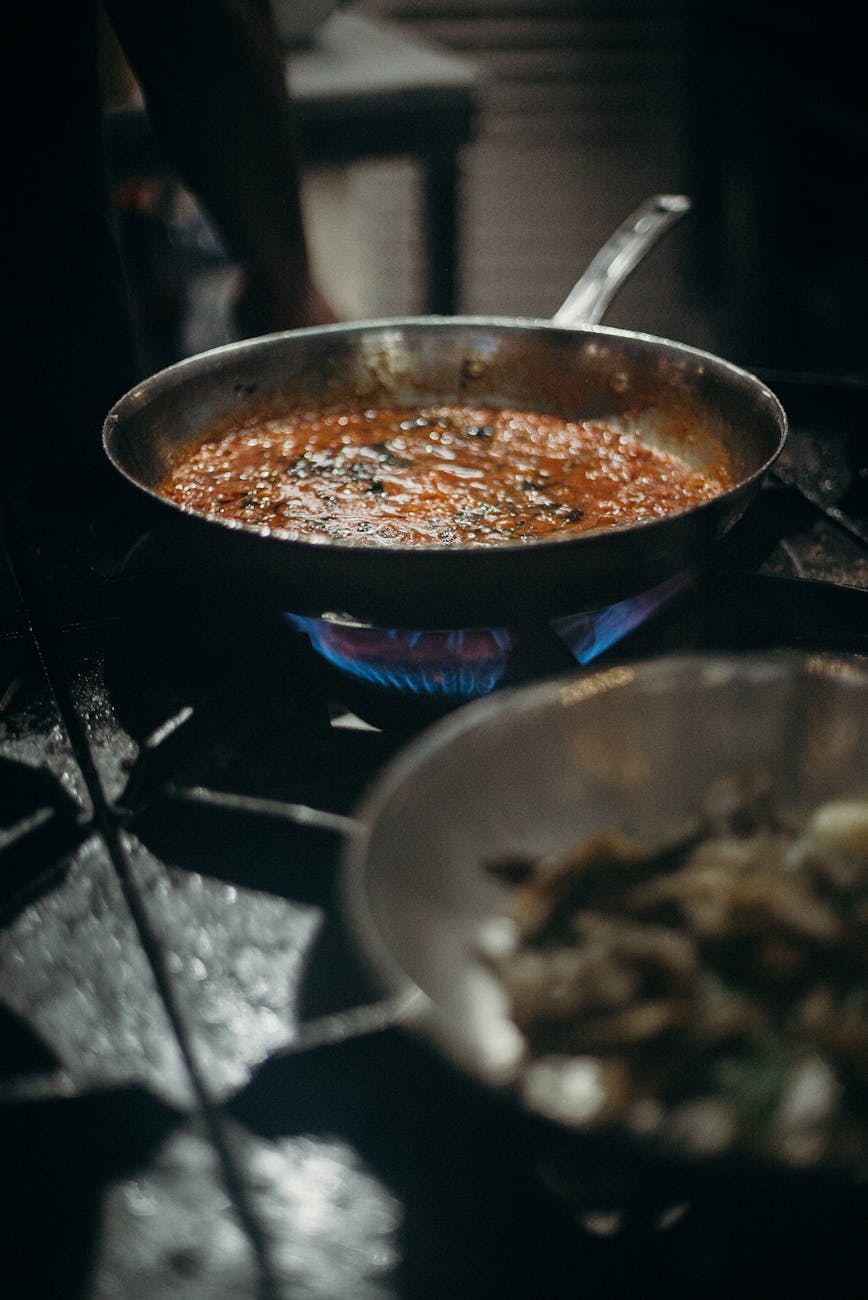
Durable & Non-Reactive
Unlike reactive metals, stainless steel won’t alter the flavour of acidic ingredients like tomato sauce, wine reductions, or citrus-based dishes. It’s built to last decades with proper care.
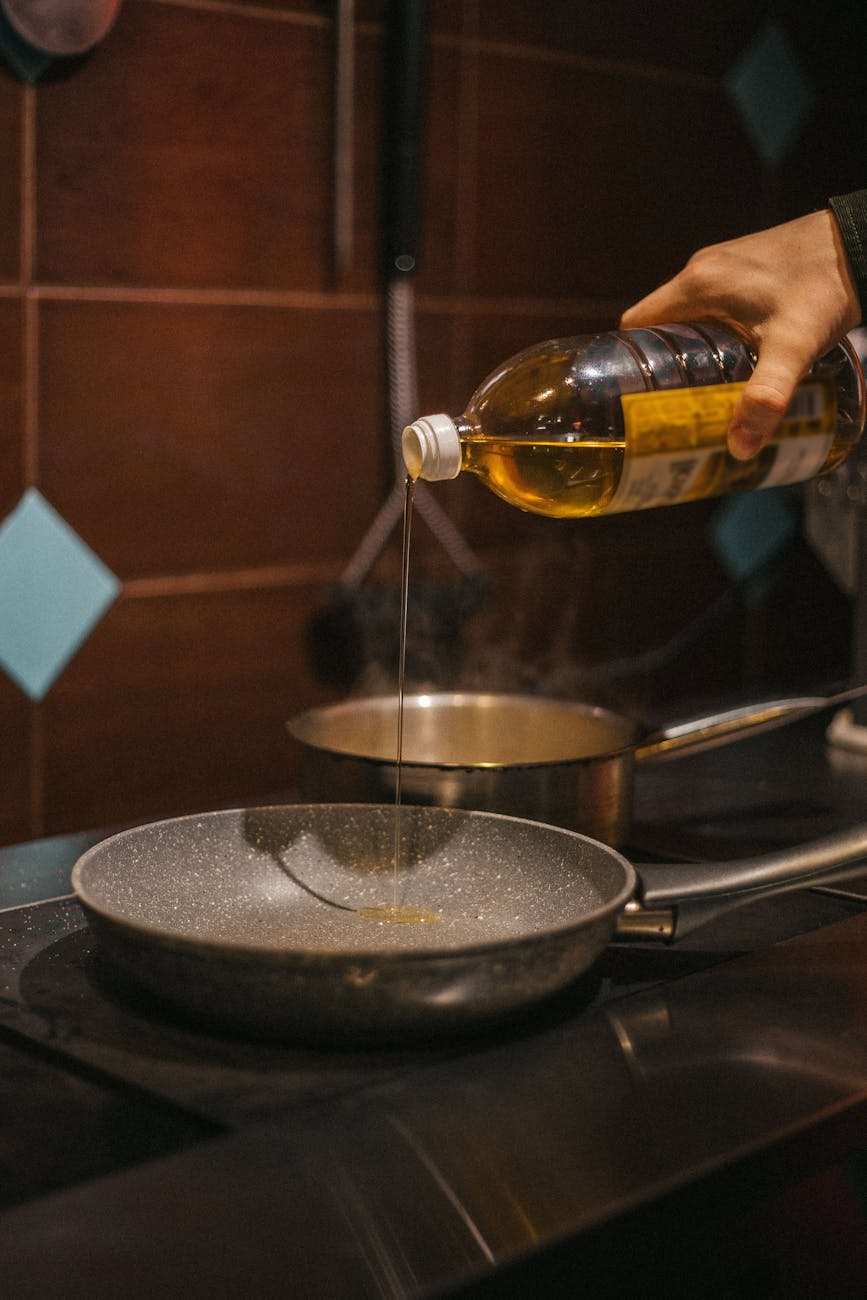
Quick Heat Response
Stainless steel heats rapidly and cools quickly, offering exceptional temperature control. However, it requires adequate oil to prevent sticking—a small trade-off for its versatility.
Perfect for Deglazing
The fond (flavourful browned bits) that develops in stainless steel pans creates the foundation for magnificent pan sauces. Ideal for sautéing vegetables, searing meats, and creating complex flavours.
Non-Stick: The Convenience Champion
When Non-Stick Shines
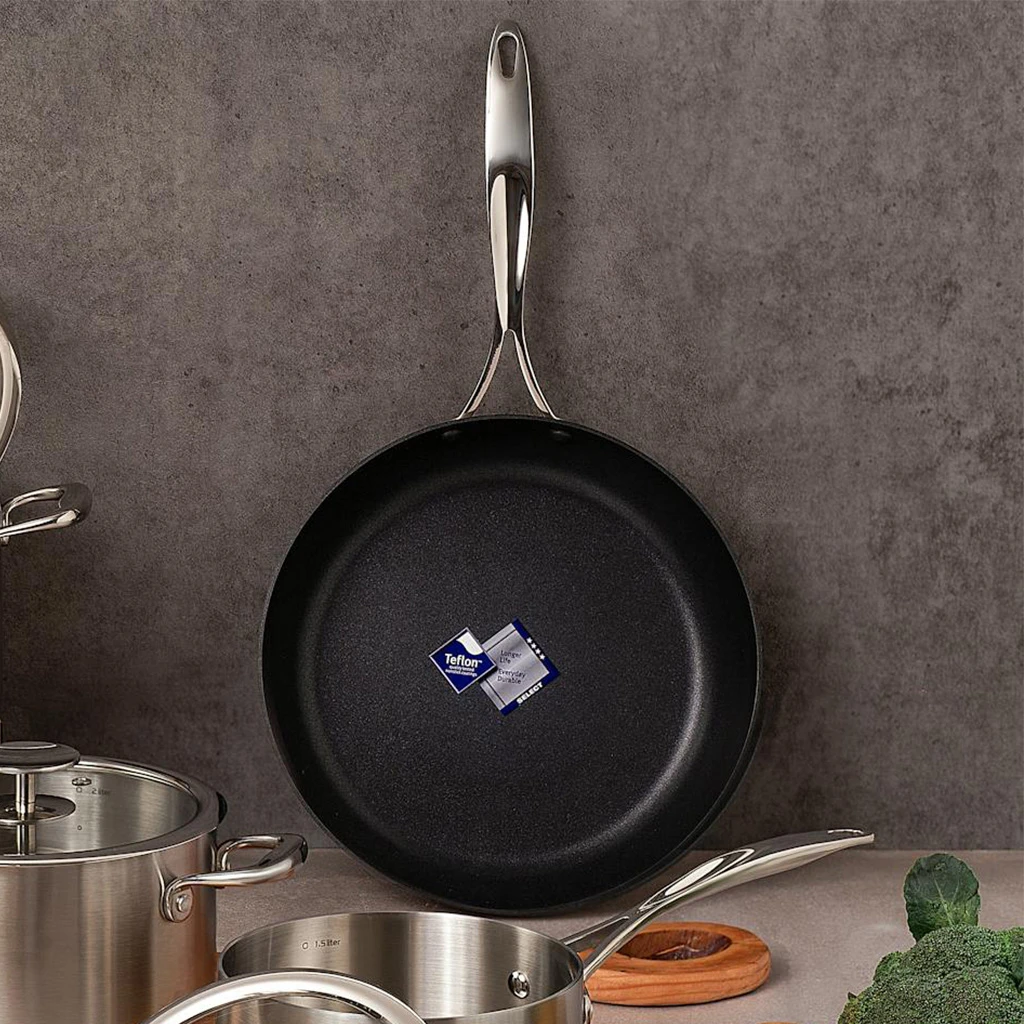
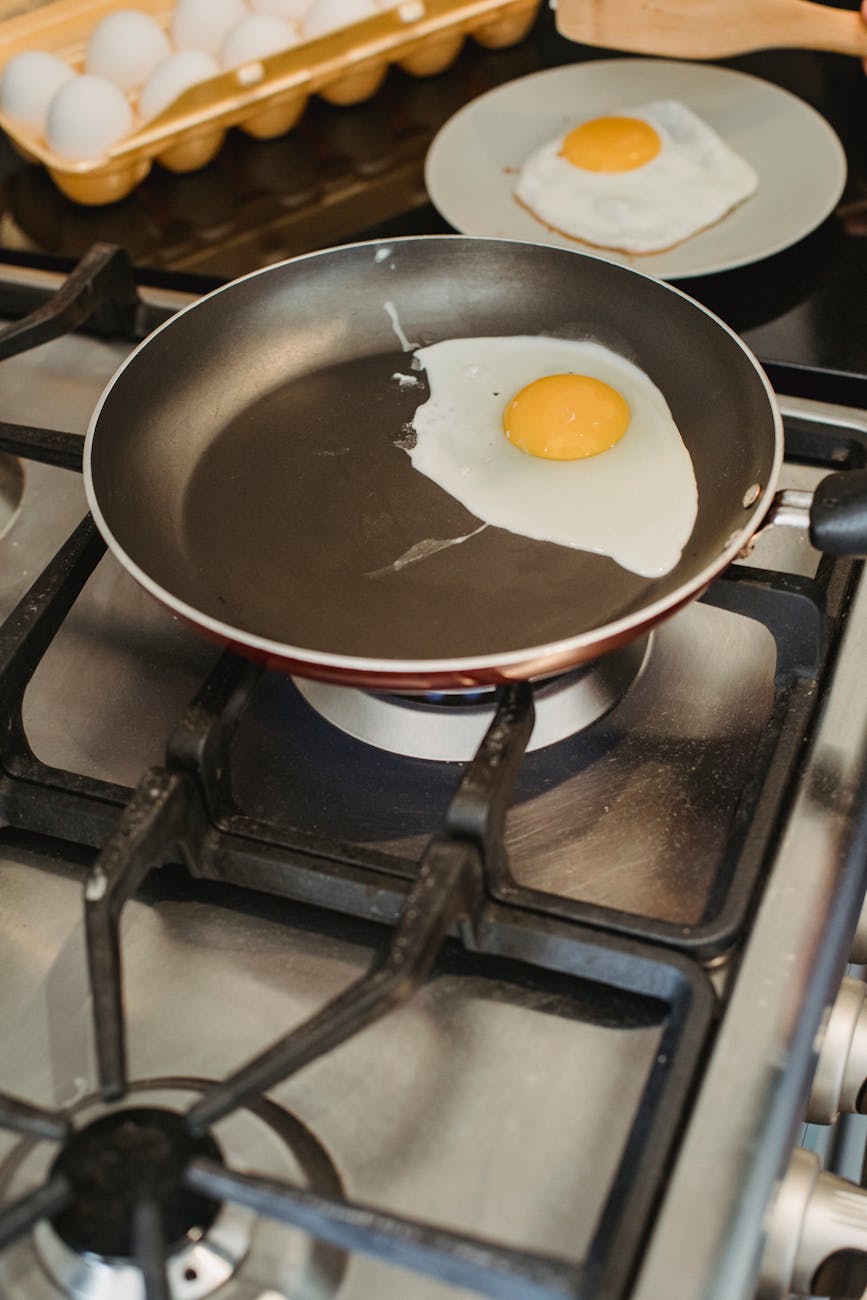
Non-stick pans are indispensable for cooking delicate foods that would otherwise fall apart or stubbornly cling to traditional surfaces. They excel with scrambled eggs, fluffy pancakes, breaded fish fillets, and other fragile items that demand a gentle touch.
The reduced need for cooking oil makes non-stick ideal for health-conscious cooking and low-fat preparation methods. Cleanup is remarkably quick—often just a simple wipe with a soft cloth.
Understanding the Limitations
Non-stick coatings, whilst convenient, are less durable than other pan types and will degrade over time, especially with improper use. High heat cooking is inadvisable, as excessive temperatures can damage the coating and reduce the pan’s lifespan.
These pans are best suited for low to medium heat cooking and quick, gentle frying tasks. With reasonable care and realistic expectations, a quality non-stick pan serves as an invaluable kitchen companion for specific cooking needs.
Best For
Eggs, pancakes, delicate fish, quick breakfast items
Avoid
High-heat searing, metal utensils, dishwasher cleaning
Lifespan
2-5 years with proper care and moderate use
Cast Iron: The Heat Retainer & Multi-Tasker
Cast iron frying pans represent centuries of culinary tradition, offering unmatched heat retention and versatility that spans from stovetop to oven. Their superb ability to hold and distribute heat evenly makes them exceptional for searing steaks, frying chicken, and creating perfectly crispy results.
Develops Natural Non-Stick
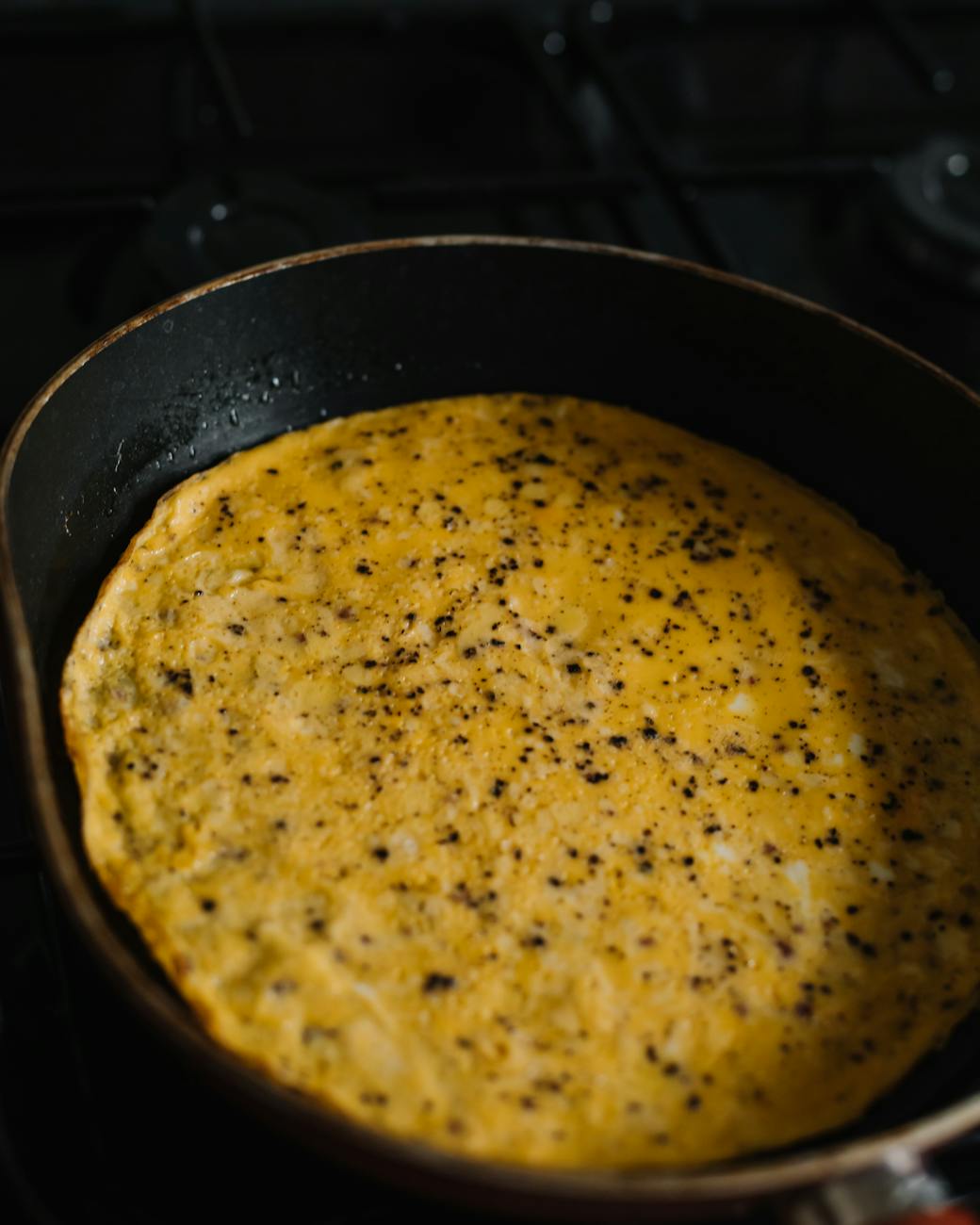
With proper seasoning, cast iron develops a naturally non-stick surface that improves with age. The seasoning process creates layers of polymerised oil that protect the pan and enhance cooking performance over time.
Stovetop to Oven Versatility
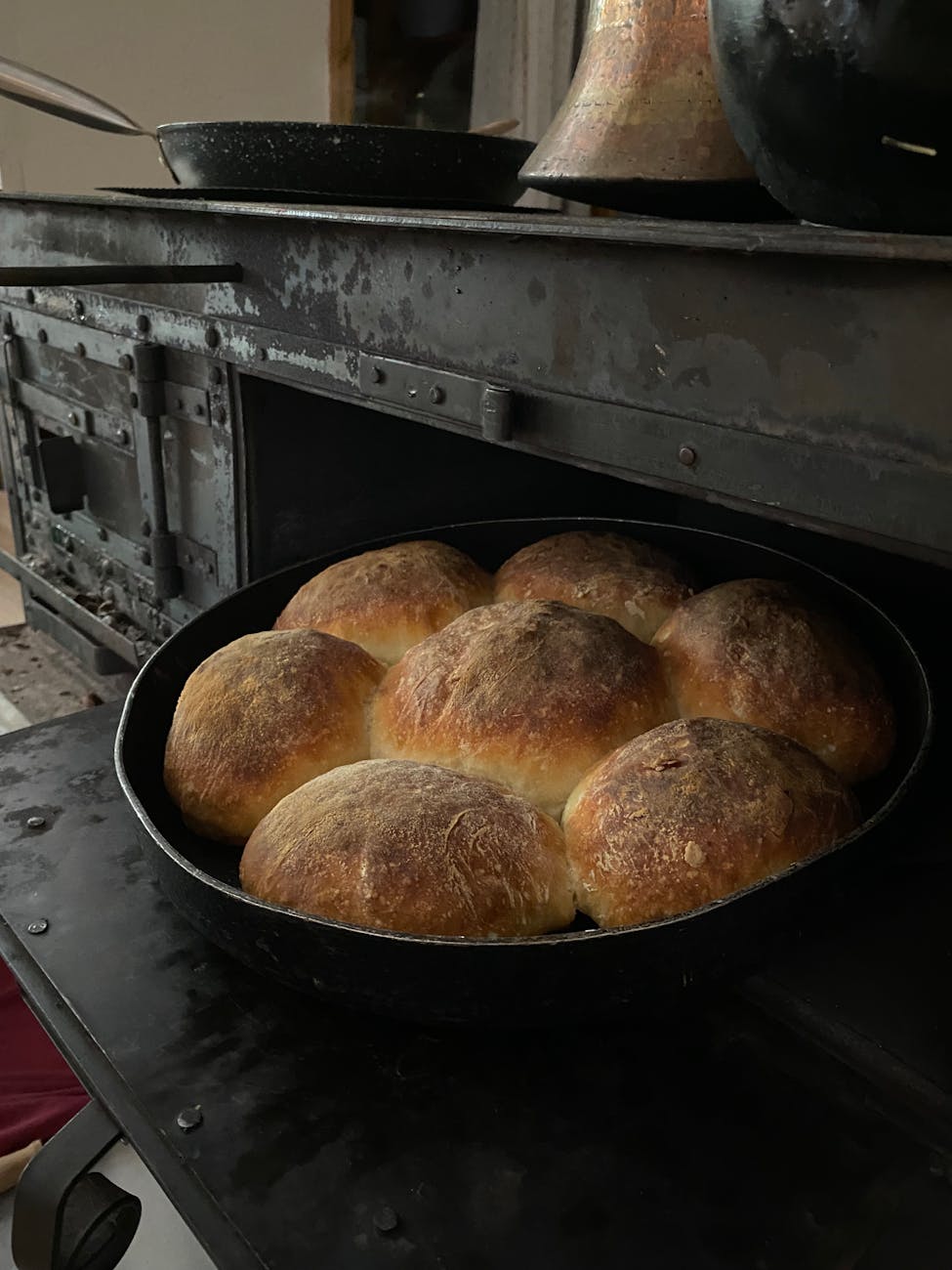
The ability to transition seamlessly from hob to oven opens endless cooking possibilities—from baking crusty bread to finishing thick steaks. Perfect for slow-cooked dishes, frittatas, and one-pan meals.
Generational Durability
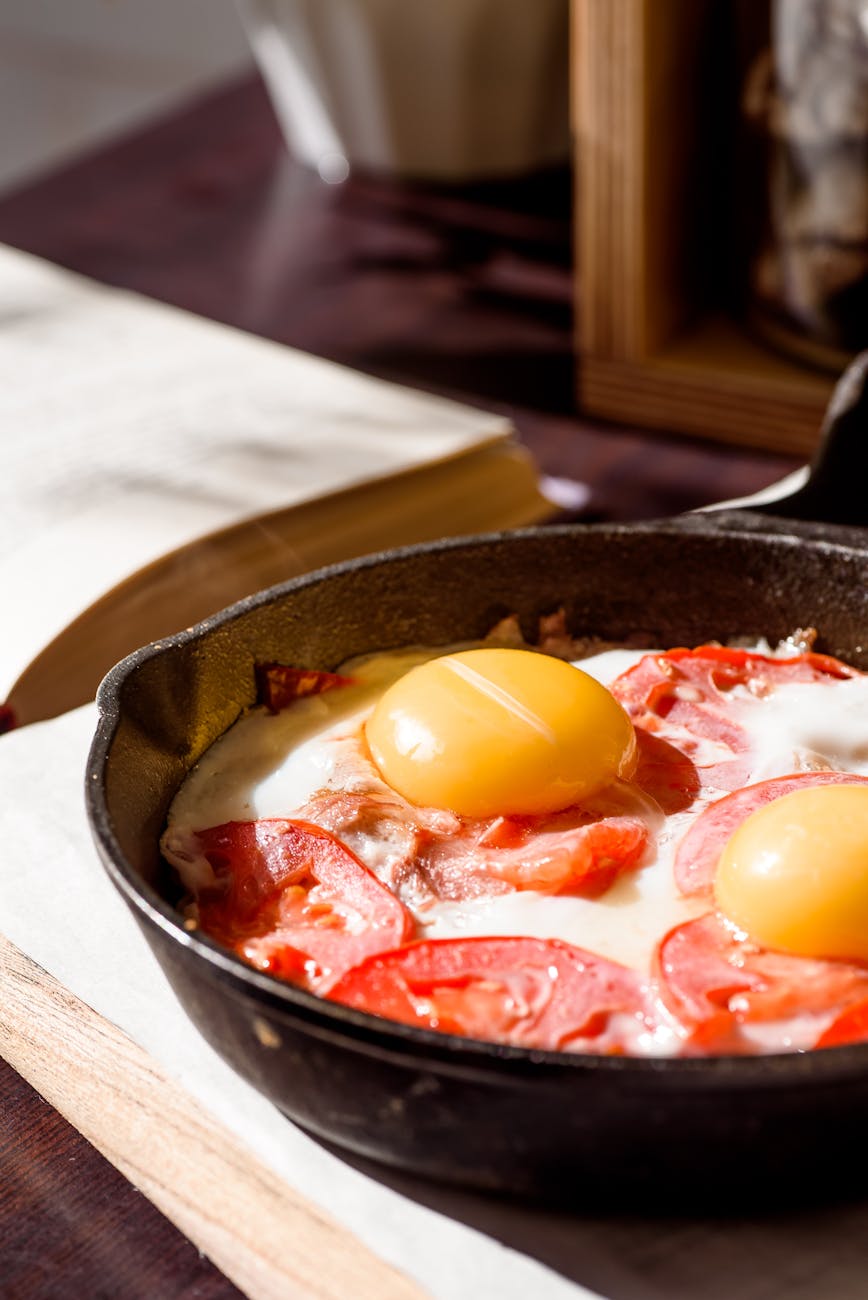
Cast iron pans can last generations when properly maintained, often becoming treasured family heirlooms. They’re virtually indestructible and actually improve with regular use and care.
Important Note: Cast iron pans are quite heavy and require regular seasoning maintenance. Initially, avoid cooking highly acidic foods like tomato sauce, as they can strip the seasoning and impart a metallic taste.
Choosing Your Champion: Match Pan to Your Kitchen Needs
Building a well-rounded kitchen arsenal means understanding that no single pan does everything brilliantly. The ideal approach combines different pan types to cover all your cooking scenarios.
Stainless Steel for Versatility
Choose stainless steel when you need quick temperature control, plan to deglaze for sauces, or want a durable everyday pan. Perfect for sautéing vegetables, browning meats, and dishes requiring precise heat adjustments.
Non-Stick for Delicate Foods
Reach for non-stick when cooking eggs, pancakes, or fragile fish fillets. Ideal for health-conscious cooking with minimal oil and situations where easy cleanup is a priority. Best for gentle, low-heat cooking tasks.
Cast Iron for Heat & Versatility
Select cast iron for superior heat retention, achieving perfect sears, or when you need to move from stovetop to oven. Excellent for frying, baking, and dishes that benefit from even, sustained heat distribution.
The Balanced Approach
Most accomplished home cooks maintain at least two types of pans in their kitchen rotation.
Consider starting with a stainless steel pan for everyday versatility and a non-stick for breakfast foods. As your cooking evolves, add a cast iron skillet to unlock new techniques and recipes. Each pan type brings unique strengths to your culinary repertoire, ensuring you’re prepared for any cooking challenge.