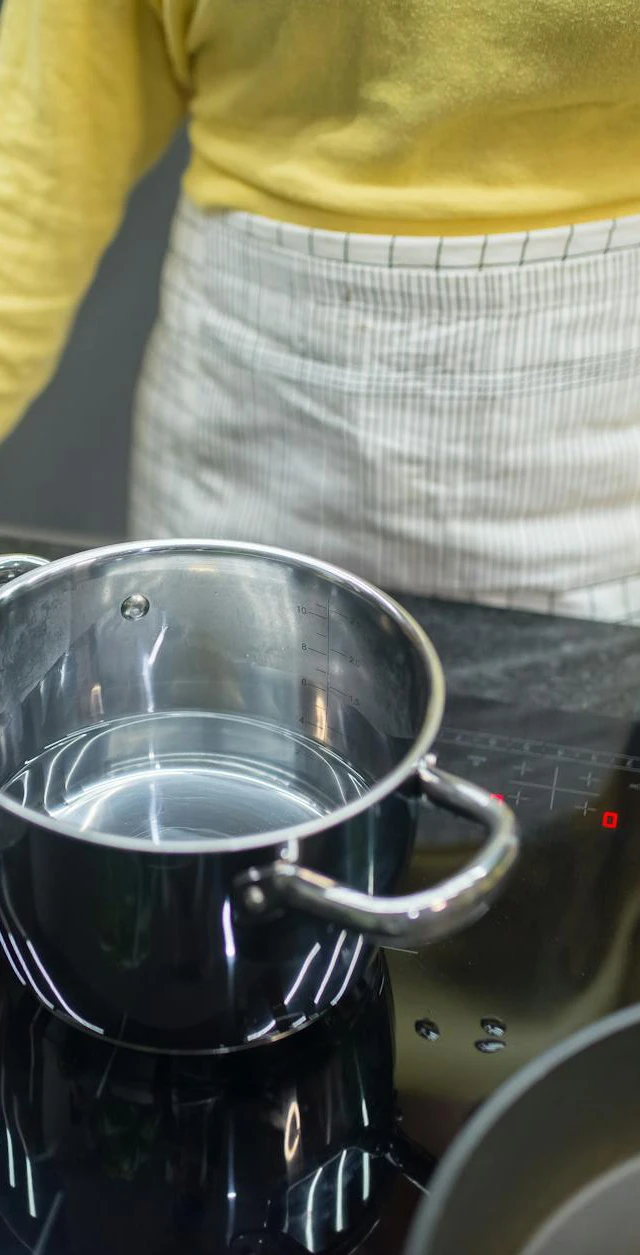
How to Choose a Pot for Induction Cooktops
Selecting the right cookware for your induction cooktop is essential for efficient cooking and optimal results. This guide will help you understand what makes a pot compatible with induction technology and how to choose the best option for your cooking needs.
What Makes Induction Cooking Unique?
Magnetic Technology
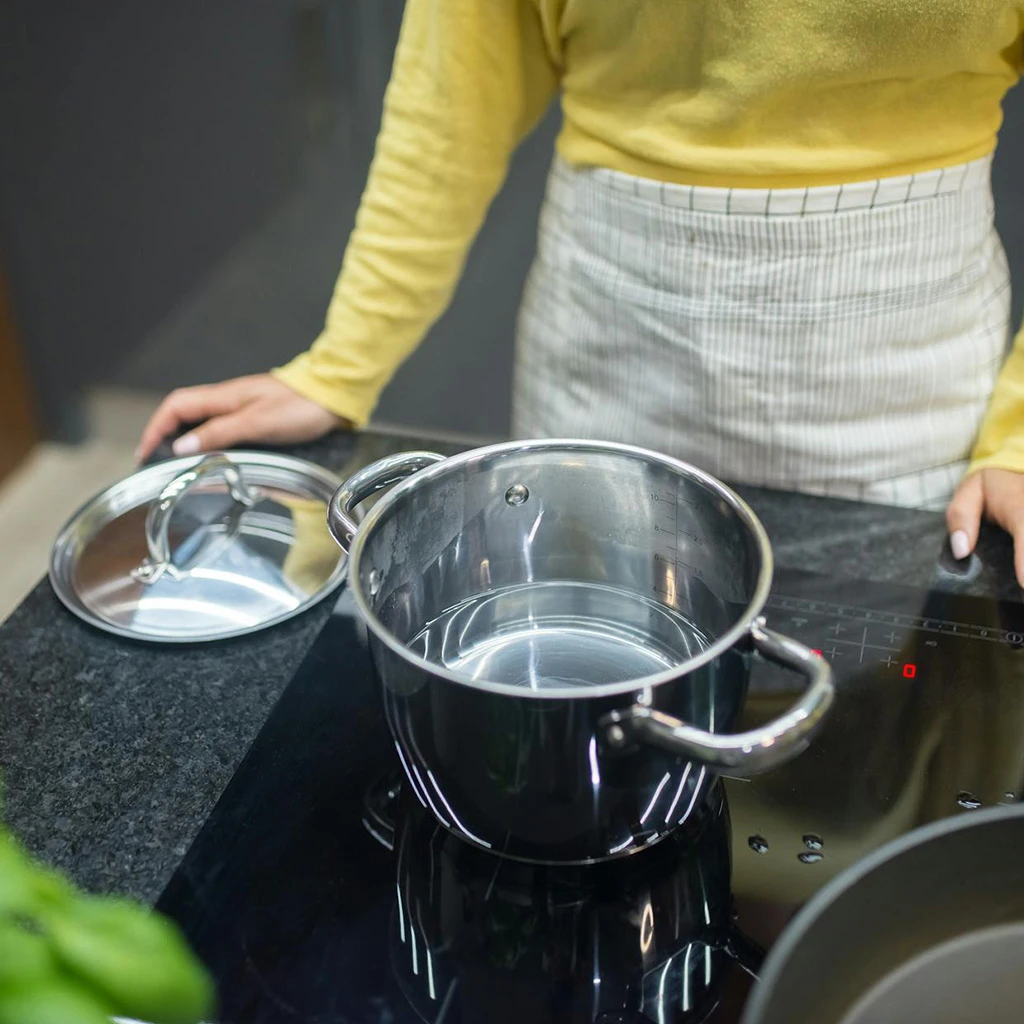
Induction cooktops use powerful electromagnetic fields to generate heat directly within the pot itself, rather than heating a surface that then transfers warmth to your cookware.
Selective Compatibility
Only pots with ferromagnetic bases will work efficiently on induction hobs. The magnetic field needs iron-based materials to create the electrical current that produces heat.
Energy Efficiency
Because heat is generated directly in the pot, induction cooking is remarkably efficient—up to 90% of the energy goes straight into your food, with minimal heat loss.
The Magnet Test: Your Quick Compatibility Check
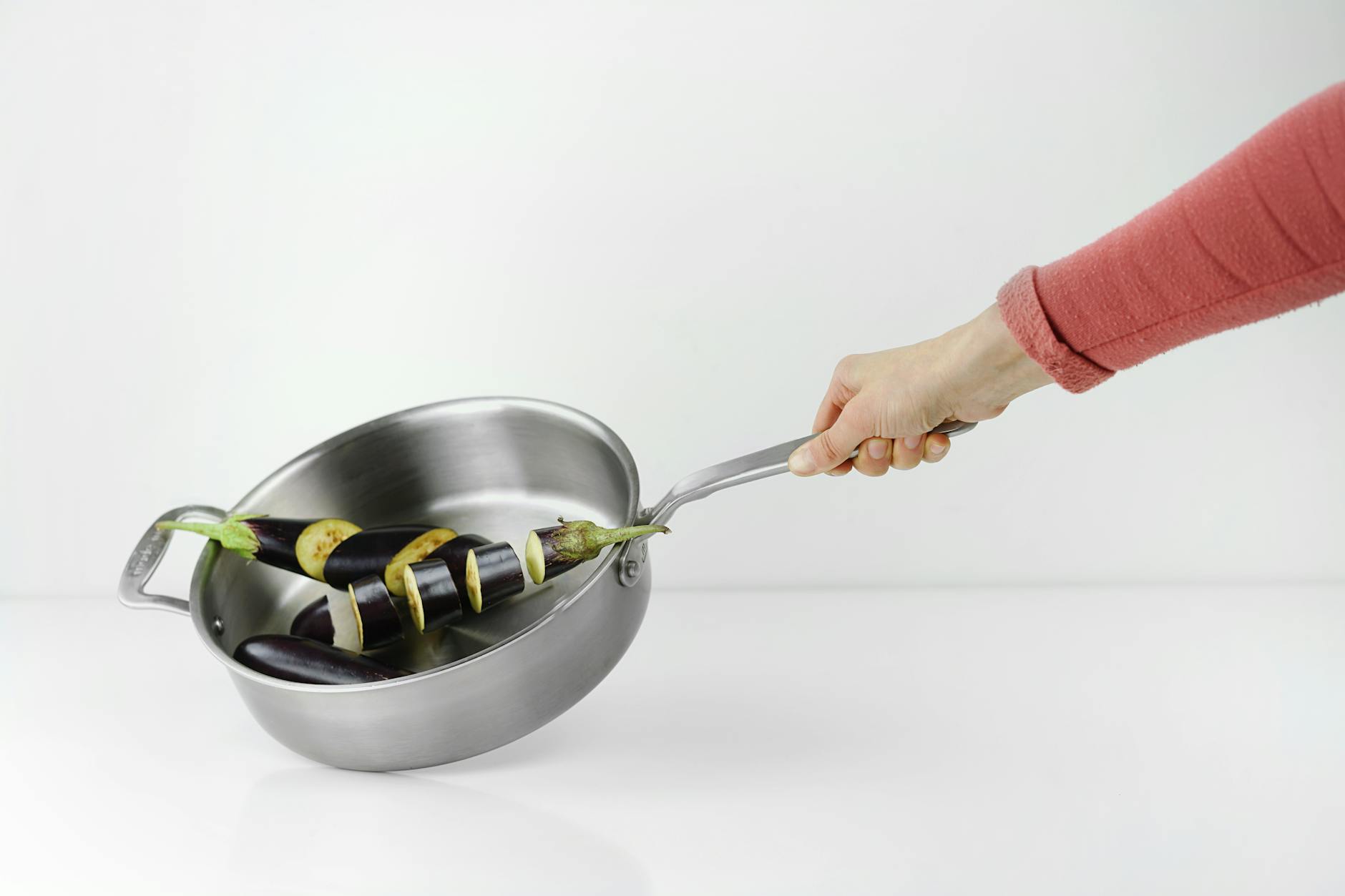
How To test
Place a standard fridge magnet on the pot’s base. If it sticks firmly and remains in place, the pot contains enough ferromagnetic material to work with induction.
For best results, the magnet should adhere across the entire base surface, not just in patches.
The stronger the magnetic attraction, the more efficient the heating will be. Ideally, check both the base and lower sides of the pot, as some designs incorporate magnetic material that extends up the walls for more even heat distribution.
Best Materials for Induction Pots
Understanding the different materials available will help you choose cookware that matches your cooking style and budget.

Cast Iron
Exceptionally durable with excellent heat retention properties. Cast iron heats more slowly but maintains temperature beautifully, making it ideal for long, slow cooking. It’s naturally magnetic and works perfectly with induction.
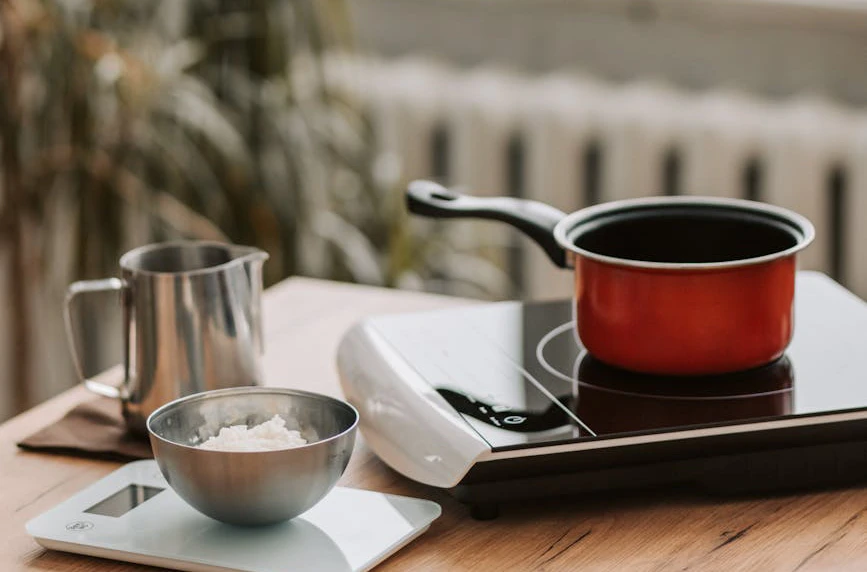
Stainless Steel
Strong, corrosion-resistant, and often layered with an iron core for induction compatibility. Many quality stainless steel pots incorporate aluminium layers for superior heat conduction whilst maintaining magnetic properties.
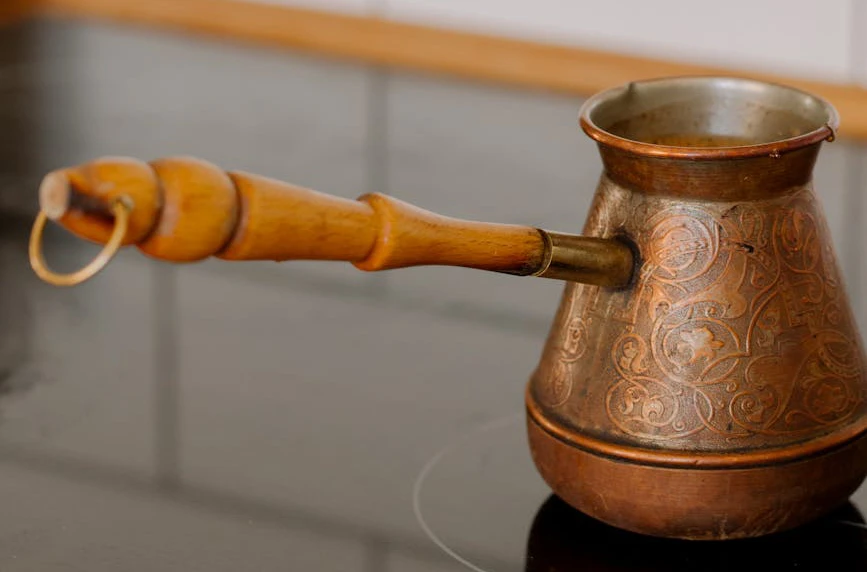
Aluminium with Steel Base
Pure aluminium won’t work on induction, but many manufacturers add a magnetic stainless steel disc to the base. This combination offers lightweight handling with the necessary magnetic properties for induction cooking.
Choosing Based on Cooking Style
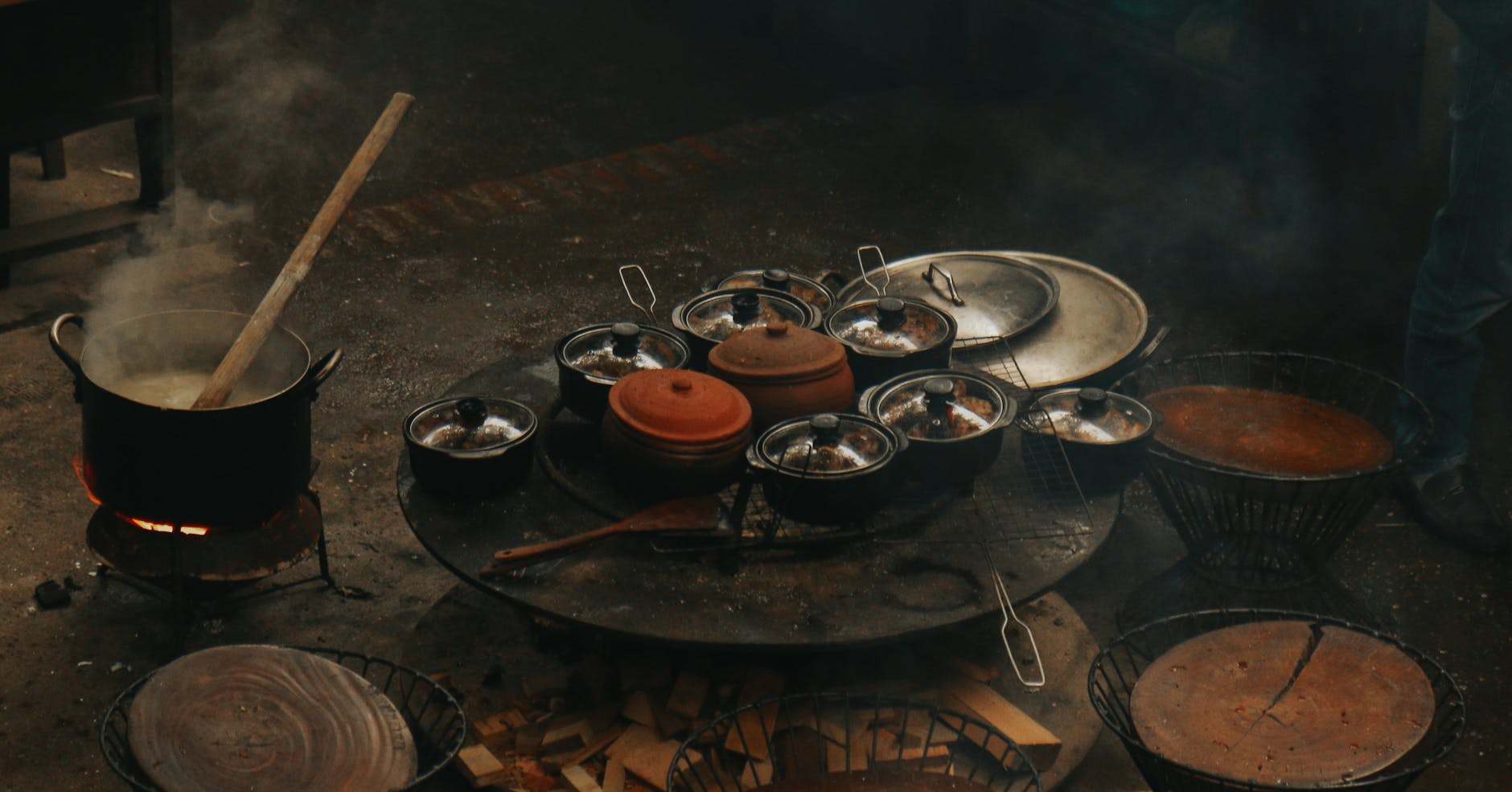
Slow Cooking Excellence
For dishes that require gentle, sustained heat—such as casseroles, stews, and braises—choose heavy-based pots like cast iron or thick aluminium with a steel base.
These materials distribute heat evenly across the entire surface, preventing hot spots that can burn delicate sauces. The substantial weight helps maintain consistent temperature even when you add cold ingredients.
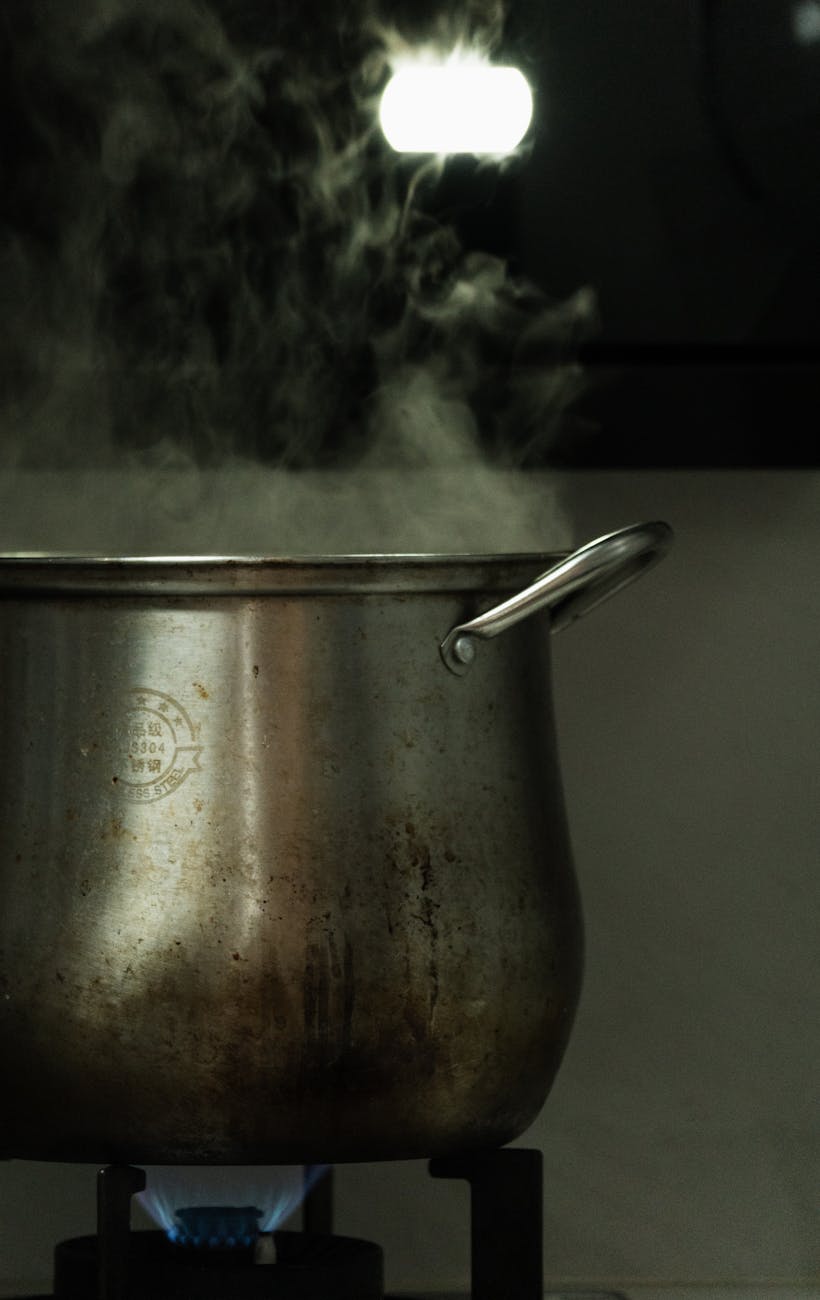
Fast Cooking Performance
When speed matters—boiling pasta water, searing meat, or stir-frying—opt for stainless steel pots with layered bases.
These respond quickly to temperature changes, heating up rapidly and cooling down just as fast when you reduce the power. The multi-layer construction ensures even heat distribution whilst maintaining the responsiveness needed for precise cooking control.
Final Tips for Smart Buying
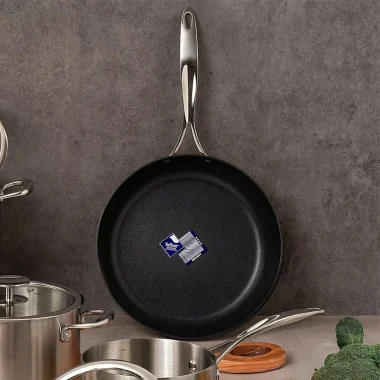
Cast iron frying pans represent centuries of culinary tradition, offering unmatched heat retention and versatility that spans from stovetop to oven. Their superb ability to hold and distribute heat evenly makes them exceptional for searing steaks, frying chicken, and creating perfectly crispy results.
Check for the Symbol
Look for the induction-compatible symbol on packaging—typically a coil design or the word "induction". This guarantees the manufacturer has tested the cookware for magnetic compatibility.
Avoid Incompatible Materials
Glass, pure aluminium, and copper pots without magnetic steel bases will not work on induction cooktops. If you're unsure, always perform the magnet test before purchasing.
Invest in Quality
Quality induction cookware typically ranges from £40 to £250. Well-constructed pots provide even heat distribution, greater durability, and better cooking results. Consider it a long-term investment in your kitchen.
With the right cookware, you’ll unlock the full potential of induction cooking—enjoying faster heating, precise temperature control, and impressive energy efficiency for years to come.