5 Mistakes to Avoid When Choosing a Kitchen Knife
Picking the Wrong Knife for Your Skill Level
The Expert's Dilemma
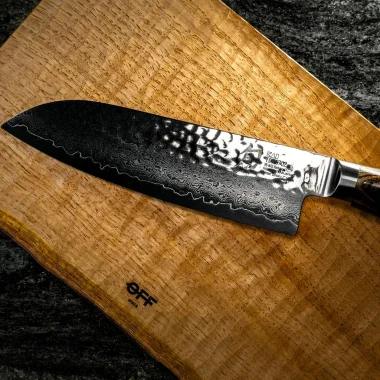
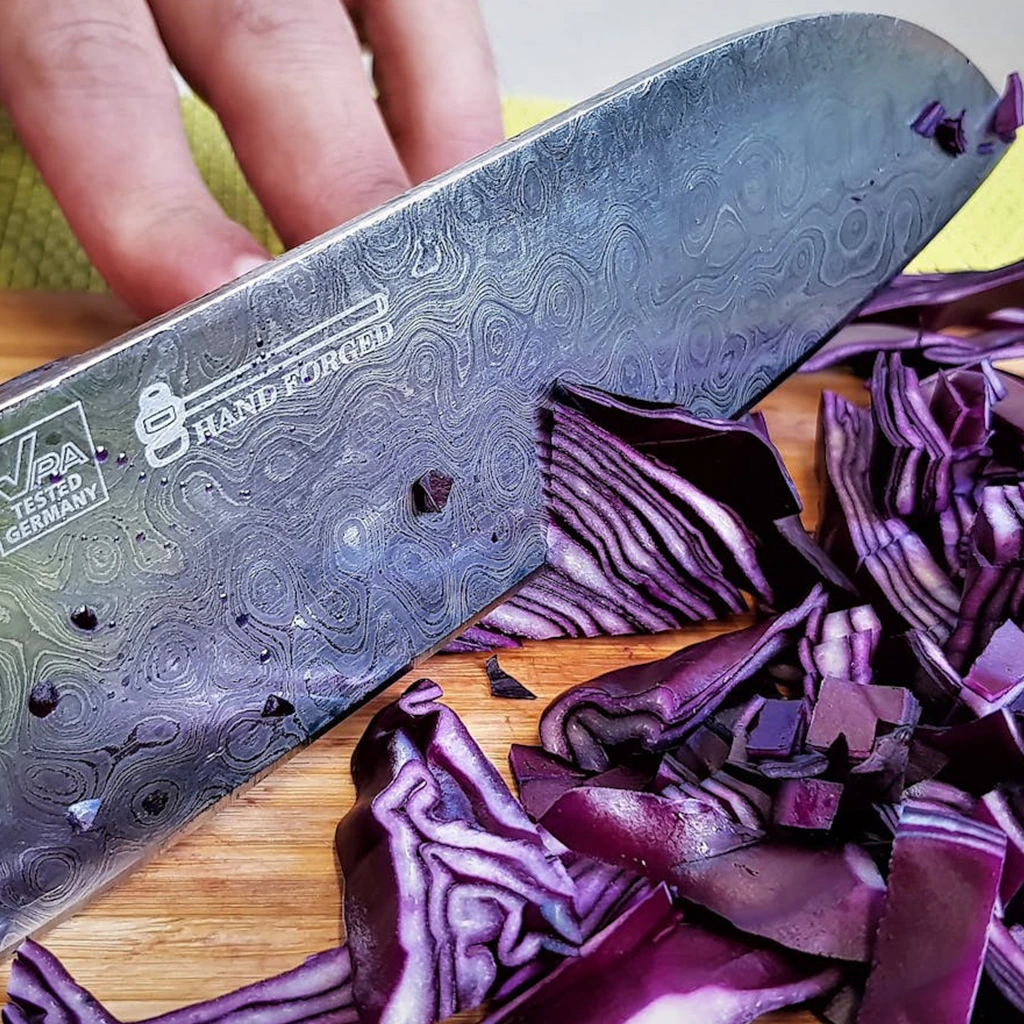
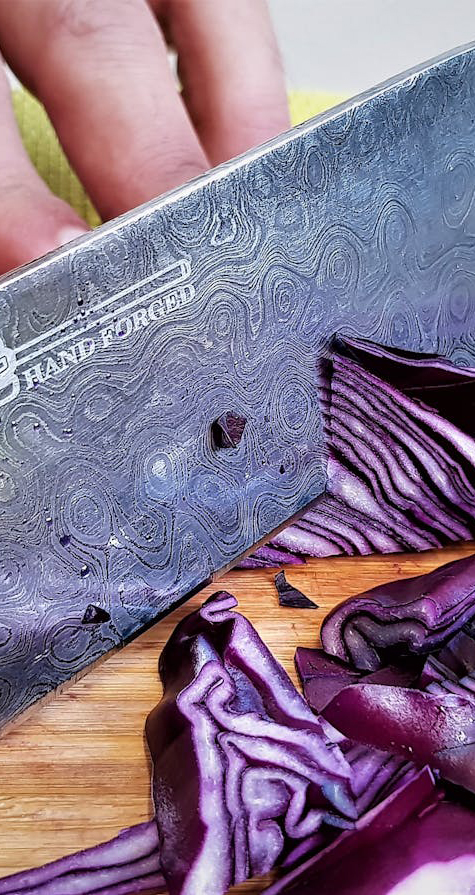
Fancy Japanese knives look impressive but require expert care and sharpening techniques. These beautiful blades demand precision maintenance and a deep understanding of proper use.
The blade’s pronounced belly enables a smooth, rolling cut that keeps the tip in contact with the cutting board whilst the handle rises and falls—a technique perfected over centuries of professional cooking.
Finding Your Match
Cheap knives dull quickly and frustrate beginners, creating a discouraging cooking experience. On the other end, high-maintenance blades can overwhelm those new to knife care.
Experts recommend brands like Forschner or Victorinox for durability and ease of maintenance. These reliable options offer professional quality without requiring expert-level upkeep.
Choose a knife that matches your cooking skills and commitment to upkeep. Your knife should grow with you, not intimidate you.
Ignoring Proper Sharpening and Honing
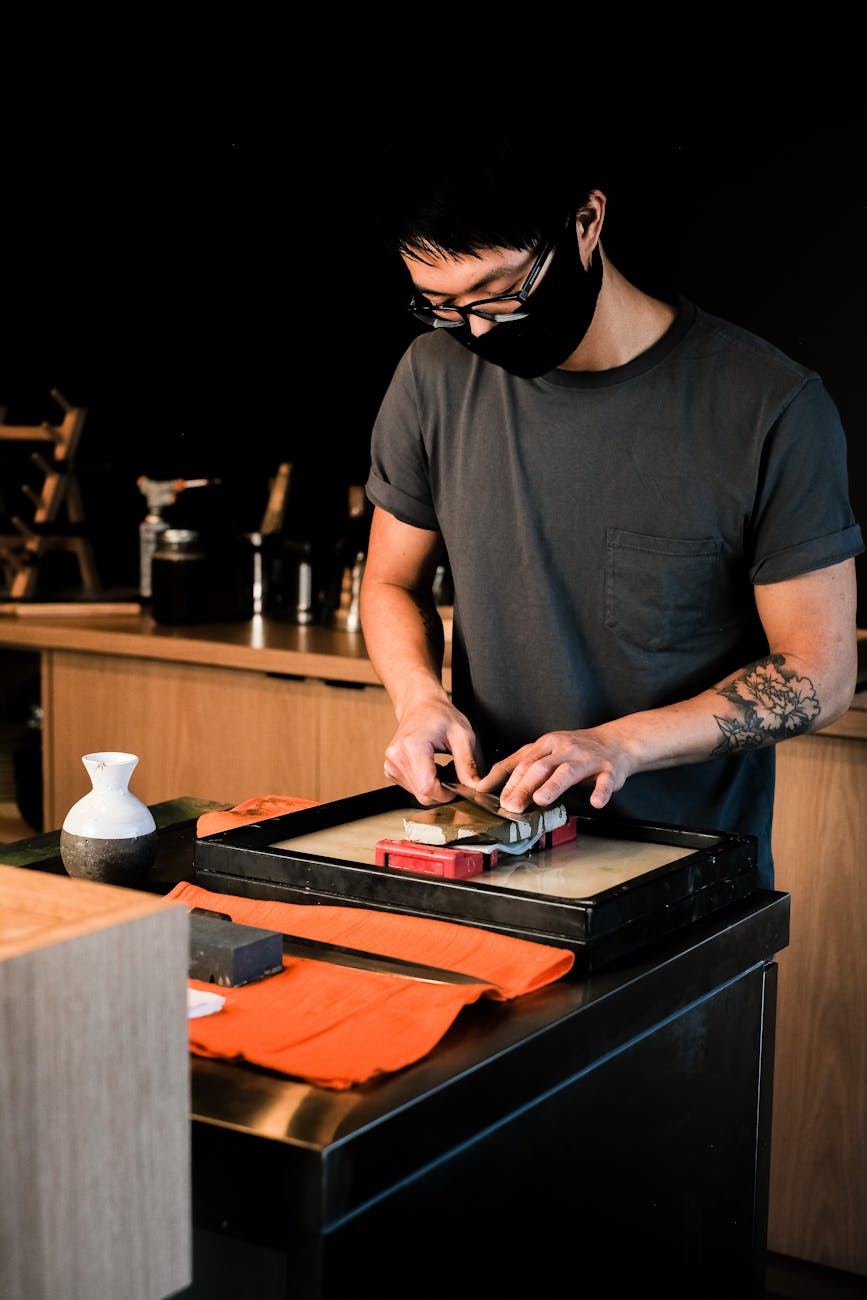
The Danger of Dull Blades
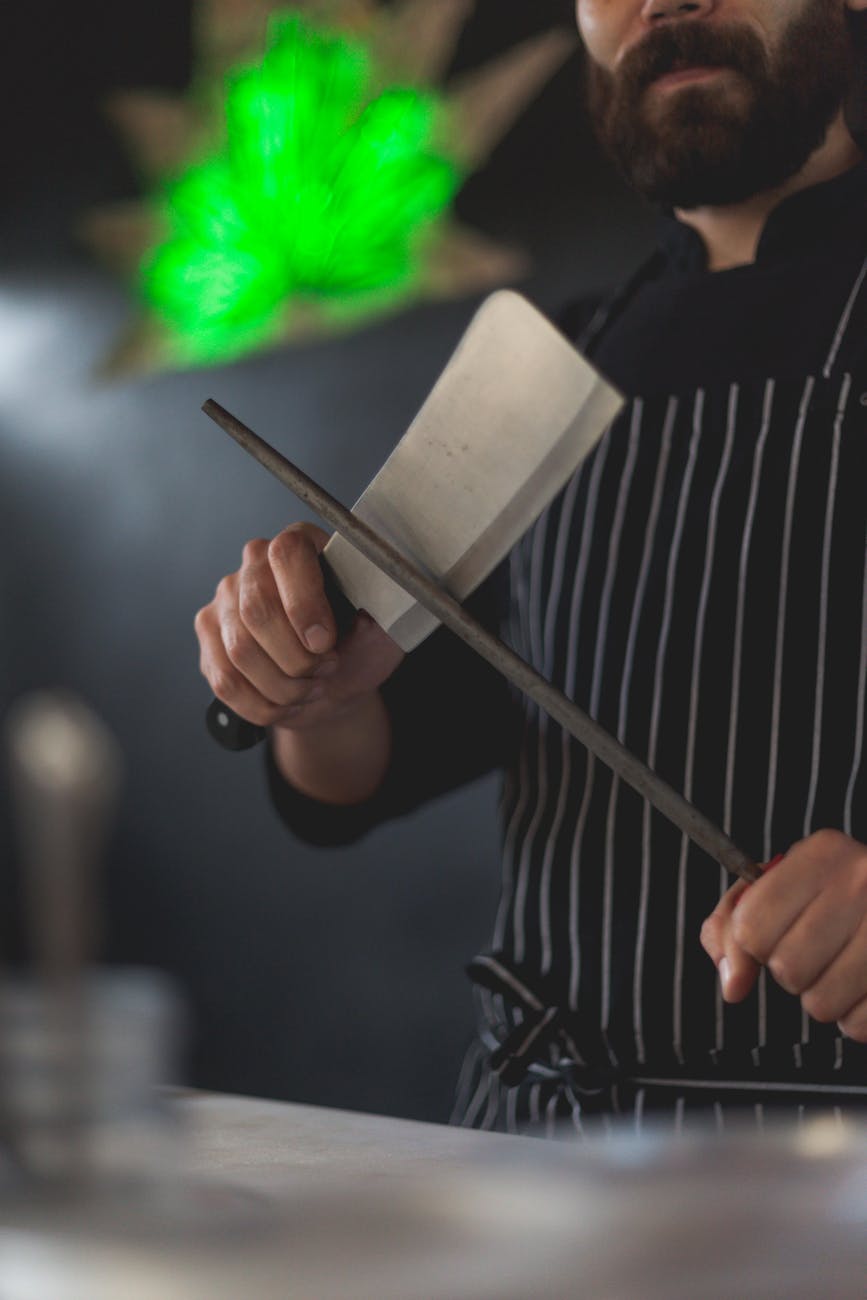
Maintenance Schedule
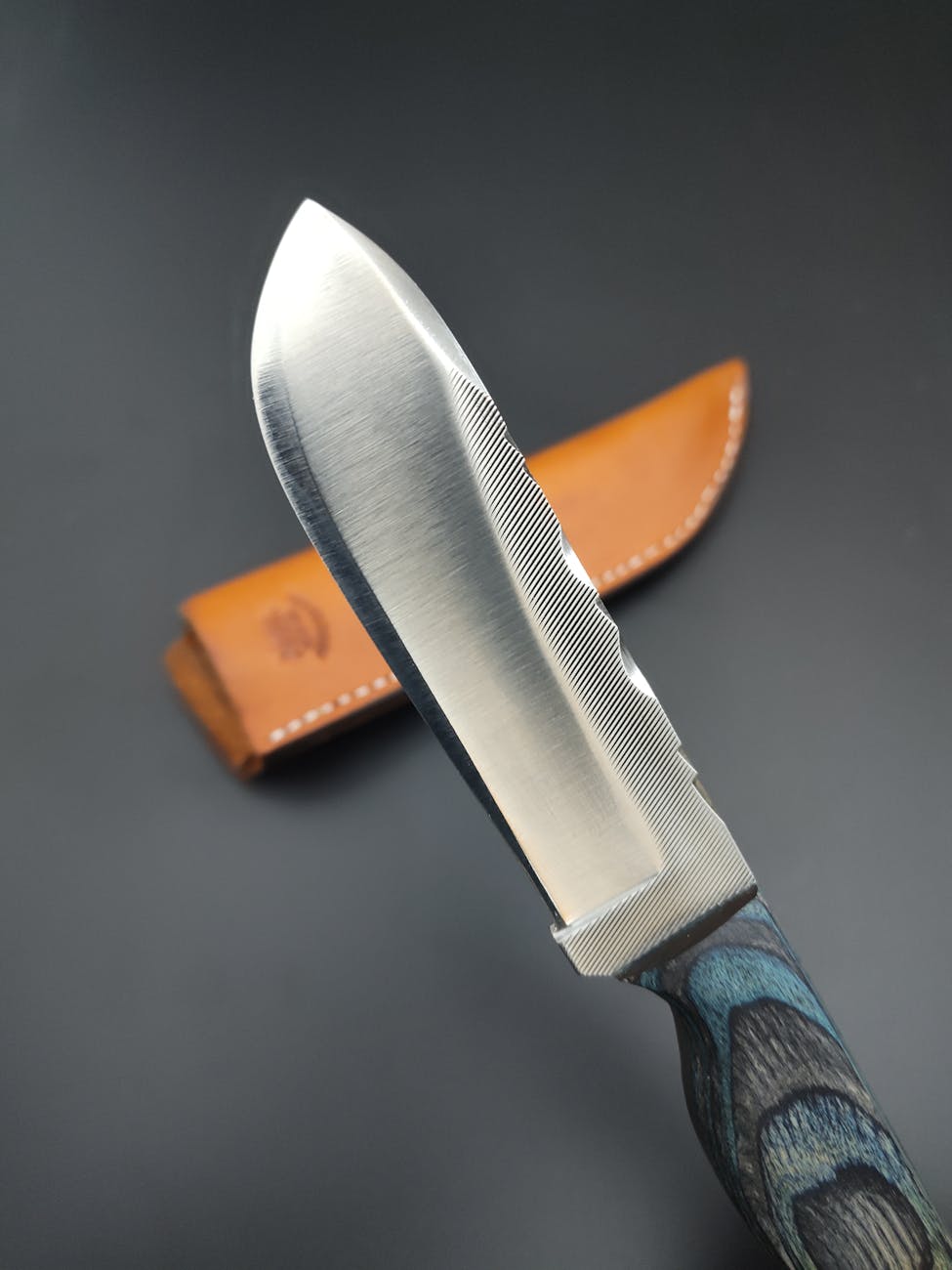
Professional Touch
Using the Wrong Cutting Surface
Surfaces to Avoid
Never use glass, marble, or stone cutting boards—they dull blades instantly upon contact. These attractive surfaces are your knife's worst enemy, destroying edges with every cut.
Safe Surfaces
Use wood or plastic cutting boards to protect your knife's edge. Both materials provide enough give to preserve sharpness whilst offering a stable, safe cutting surface.
Best Options
Bamboo and softer woods like maple or walnut are gentle and affordable options. They're naturally antimicrobial and kind to your blade whilst being easy to maintain.
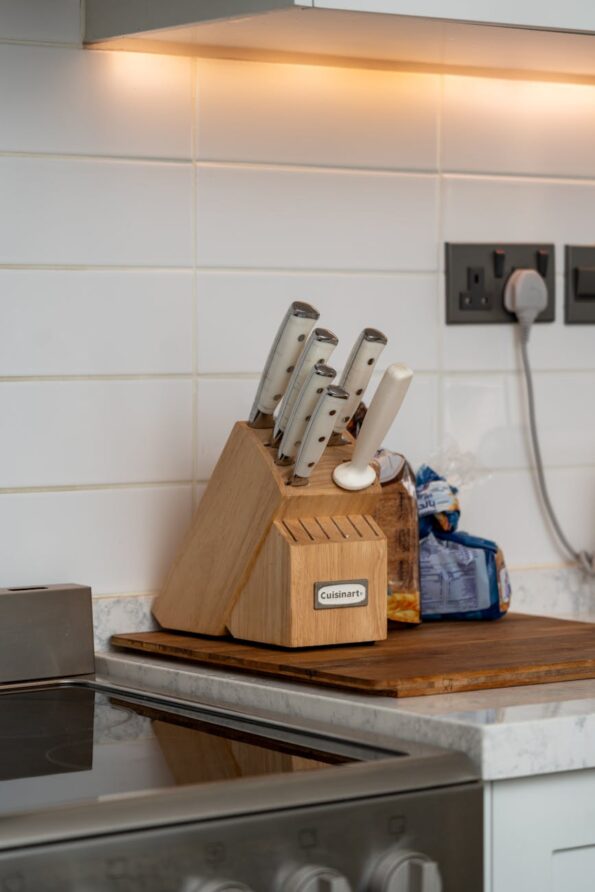
Improper Storage Damages Your Knife
Magnetic Strips
Knife Blocks
Drawer Inserts
The Drawer Disaster
Proper storage protects both your knife and your fingers. It’s an investment in safety and longevity that pays dividends every time you cook.
Using Your Knife as a Scraper or Multitool
The Wrong Way
The Right Way
Respect the Tool
Avoid using knives for opening cans, prying lids, or other non-cutting tasks. Each misuse risks damage and injury.
Respect your knife's purpose to keep it sharp and safe. A knife is a precision cutting tool, not a general-purpose implement. Treating it with care ensures it performs its intended function beautifully for years to come.
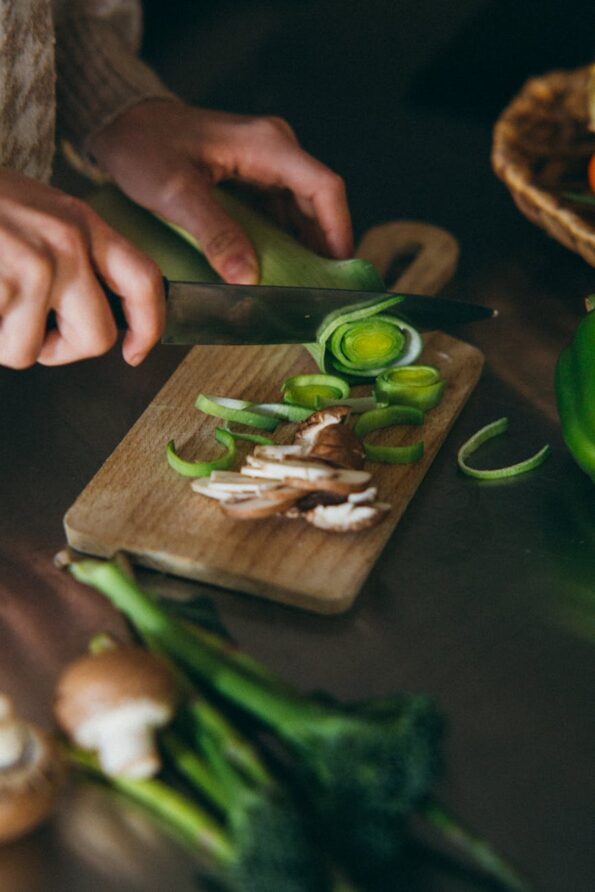
Choose Wisely, Care Properly, Cut Safely
The Formula for Success
Your Commitment
The Reward
Remember: a well-chosen, properly maintained knife is an investment in your culinary journey. By avoiding these common mistakes, you’ll enjoy years of precision cutting, safer food preparation, and the satisfaction that comes from using quality tools correctly. Your knife is not just a utensil—it’s your most trusted kitchen companion.